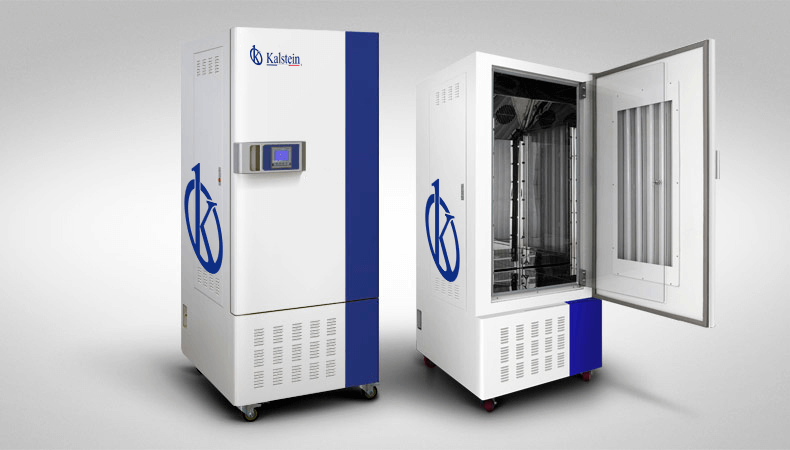
Artificial Climate Chamber: Practical Usage Guide for 2026
Artificial climate chambers are essential tools in modern laboratories, providing controlled environments for a wide range of research and experimentation. In 2026, understanding their applications, protocols, and best practices is more crucial than ever for laboratory professionals.
What is it used for in 2026
Artificial climate chambers are primarily used to simulate environmental conditions for various applications, including biology, agriculture, and material testing. They enable researchers to control temperature, humidity, and light intensity, facilitating long-term experiments and studies on biological tissues, cell cultures, plant growth, and even small animal habitats.
History and evolution of the technology
The concept of climate chambers dates back several decades, evolving from rudimentary controlled environments to highly sophisticated systems capable of precise regulation. The integration of advanced microprocessor controls and energy-efficient technology has significantly enhanced their usability and efficiency, making them a staple in laboratories around the world.
How to use it step by step
Using an artificial climate chamber involves several steps:
- Setup: Place the chamber in a stable location away from direct sunlight or heat sources.
- Calibration: Adjust the temperature, humidity, and light settings according to the experimental requirements.
- Loading Samples: Carefully place your samples inside the chamber, ensuring proper spacing for airflow.
- Monitoring: Regularly check the chamber's readings and adjust settings as necessary to maintain optimal conditions.
- Documentation: Record all settings and observations for reference and validation of experimental results.
Best techniques and protocols
Protocols for using artificial climate chambers can vary based on the specific needs of the experiment. However, some best practices include:
- Ensuring regular maintenance and calibration of the chamber to avoid discrepancies in environmental conditions.
- Using data logging systems to track changes in temperature and humidity over time.
- Implementing staggered lighting systems to simulate natural light cycles.
Practical applications by laboratory type
Different laboratories utilize artificial climate chambers in unique ways:
- Biological Research: For studying the effects of environmental changes on living organisms.
- Agricultural Testing: To evaluate plant growth under controlled conditions.
- Material Science: For assessing how materials react under varying humidity and temperature conditions.
Regulations, standards and certifications
Laboratories using artificial climate chambers must adhere to several regulations and standards, including those set by organizations such as ISO and ASTM. Compliance ensures the reliability and credibility of research outcomes.
Comparison with alternative technologies
While artificial climate chambers are versatile, there are alternatives such as growth rooms and greenhouses. However, climate chambers provide more precise control over environmental variables, making them ideal for sensitive experiments.
Comparison of available models
| Model | Best for | Key specs | Recommended use case |
|---|---|---|---|
| YR05347 | Long-term biological experiments | 10~65 ℃ (with lighting), 0~60 ℃ (without lighting); 0.1 accuracy | Cell culture and plant growth studies |
| YR05348 | Cell culture applications | 10~65 ℃ (with lighting), 0~60 ℃ (without lighting); 0.1 accuracy | Biological tissue research |
| YR05349 | Material testing | 10~65 ℃ (with lighting), 0~60 ℃ (without lighting); 0.1 accuracy | Environmental impact assessments |
Common mistakes and how to avoid them
Some common mistakes include:
- Neglecting regular maintenance, which can lead to inaccurate readings.
- Overloading the chamber with samples, reducing airflow and affecting results.
- Failing to document environmental settings, making it difficult to reproduce experiments.
Maintenance, calibration and good practices 2026
Regular maintenance includes cleaning the chamber interior, checking seals for leaks, and verifying the accuracy of temperature and humidity sensors. Calibration should be performed at least once a year or whenever the chamber is moved.
Cost-benefit analysis 2026
Investing in an artificial climate chamber can be costly but the benefits often outweigh the costs. With improved experimental accuracy and reliability, laboratories can achieve better research outcomes, leading to potential savings in time and resources.
Frequently asked questions
What is the best way to set up an artificial climate chamber?
Choose a stable location, calibrate the environmental settings, and ensure proper spacing of samples for optimal airflow.
How often should I calibrate my climate chamber?
Calibration should be performed at least once a year or whenever the chamber is moved to ensure accurate readings.
What are the common applications of artificial climate chambers?
They are used for biological experiments, agricultural testing, and material science assessments.
How can I ensure accurate temperature readings?
Regularly maintain the chamber and use calibration standards to verify the accuracy of the sensors.
What mistakes should I avoid when using a climate chamber?
Avoid neglecting maintenance, overloading samples, and not documenting environmental settings.
How can I improve my experiments in a climate chamber?
Implement data logging systems and staggered lighting to better simulate natural conditions.
Where can I find quality artificial climate chambers?
For high-quality artificial climate chambers, request a quote on Kalstein Plus to explore our exclusive offerings.
If you are looking for a fusion of innovation and quality, you have come to the right place. At Kalstein, we offer you the luxury of exploring our exclusive catalog of laboratory equipment. We manufacture every device to the highest standards of excellence. Our intuitive and seamless online purchasing channels are designed for your convenience, securing the most competitive prices. Hesitate no longer — we bring science to life, it is time to become part of our community.