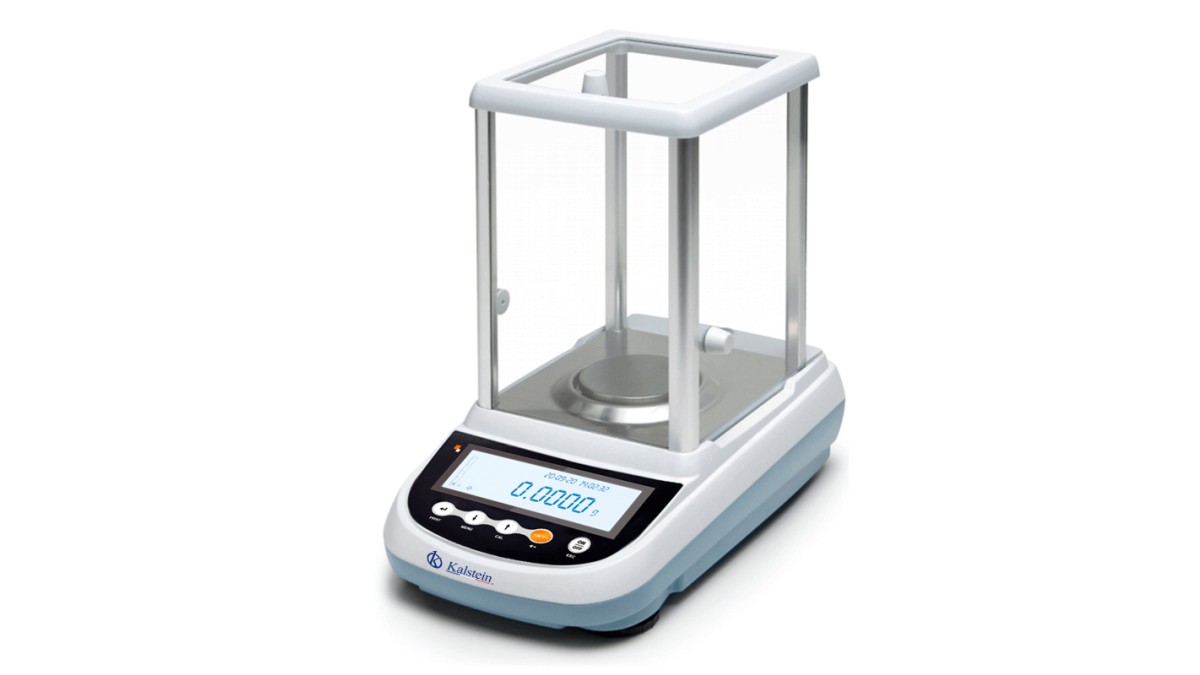
Analytical Balances: Practical Applications and Techniques 2026
What is it used for in 2026
In 2026, analytical balances are essential tools in laboratories, particularly in fields such as pharmaceuticals, biotechnology, and academic research. Their primary function is to measure mass with a high degree of precision, typically to the sub-milligram level. This level of accuracy is crucial for formulating compounds, preparing solutions, and conducting quantitative analyses.
Analytical balances are extensively used for various applications, including:
- Preparation of chemical solutions where precise measurements are critical.
- Weighing samples for experiments in drug formulation and quality control in pharmaceutical labs.
- Research involving small quantities of substances, such as in materials science and nanotechnology.
- Calibration of other measuring instruments that require a reference mass.
- Utilization in academic settings for student experiments in chemistry and physics.
History and evolution of the technology
The development of analytical balances dates back several centuries, evolving significantly from the early mechanical balances. In the 18th century, the adoption of the beam balance marked a significant advancement, allowing for more accurate measurements than previously possible.
With the advent of electronic technology in the late 20th century, analytical balances transitioned to digital displays and improved sensors, enabling higher precision and user-friendly interfaces. The introduction of automatic internal calibration features further enhanced measurement reliability, addressing temperature and environmental variations that could affect accuracy.
Today, modern analytical balances incorporate advanced technologies such as electromagnetic force restoration systems, which provide exceptional stability and responsiveness, making them indispensable in research and industry.
How to use it step by step
Using an analytical balance requires careful attention to detail to ensure accurate measurements. Follow these steps for optimal use:
- Prepare the balance: Ensure that the analytical balance is on a stable, vibration-free surface, free from drafts and extreme temperatures.
- Calibrate the balance: Perform internal calibration if the model supports it or use certified weights for external calibration.
- Zero the balance: After calibration, tare the balance by pressing the tare button to ensure that only the weight of the sample is measured.
- Place the sample: Use tweezers or gloves to avoid contamination, and place the sample gently in the center of the balance pan.
- Wait for stabilization: Allow the balance to stabilize before recording the weight, ensuring that any fluctuations in readings settle.
- Record the measurement: Take note of the displayed weight, and if necessary, switch to the desired unit of measurement.
- Clean the balance: After use, clean the balance pan with appropriate materials to prevent cross-contamination and ensure longevity.
Best techniques and protocols
To achieve the best outcomes when using analytical balances, consider the following techniques and protocols:
- Consistent environmental conditions: Maintain a controlled environment to minimize the impact of air currents and temperature variations.
- Regular calibration: Schedule routine calibrations either internally or with external certified weights to ensure ongoing accuracy.
- Preventive maintenance: Follow the manufacturer's guidelines for maintenance, including cleaning and servicing to prevent wear and tear.
- Use of appropriate containers: Select suitable weighing boats or containers that do not affect the readings.
- Data recording: Utilize the balance's output options (e.g., RS232) to record measurements directly into laboratory information management systems.
Practical applications by laboratory type
Analytical balances find applications across various types of laboratories:
Pharmaceutical Laboratories
In pharmaceutical settings, analytical balances are used for precise formulation and quality control of drugs, ensuring that dosages are accurate for efficacy and safety.
Biotechnology Laboratories
In biotechnology, applications include the preparation of reagents and the weighing of culture media, where precise measurements affect experimental outcomes.
Academic Institutions
Educational laboratories utilize analytical balances for student experiments in chemistry and physics, teaching principles of measurement and chemical reactions.
Quality Control Laboratories
Quality control environments use analytical balances to assess the quality of materials and ensure compliance with industry standards.
Regulations, standards and certifications
Analytical balances are subject to various regulations and standards, including:
- ISO 9001: Quality management systems ensuring consistent quality in processes.
- Good Manufacturing Practices (GMP): Regulations governing the quality of products in pharmaceutical manufacturing.
- ISO/IEC 17025: Standards for testing and calibration laboratories to ensure accuracy and reliability of measurements.
Comparison with alternative technologies
When considering alternatives to analytical balances, other technologies include:
- Top-loading balances: These offer less precision than analytical balances but are suitable for larger samples that do not require high accuracy.
- Microbalances: Designed for extremely small weights, microbalances are used in specialized applications where analytical balances are insufficient.
- Force-based balances: These use different principles for measuring mass and can be beneficial in specific industrial applications.
Comparison of available models
| Model | Best for | Key specs | Recommended use case |
|---|---|---|---|
| YR05568 | High precision lab measurements | 220g capacity, 0.1mg resolution | Weighing substances for chemical reactions |
| YR05569 | Reliable laboratory measurements | 310g capacity, 0.1mg resolution | In-depth analysis and research applications |
| YR05570 | Laboratories requiring higher capacities | 410g capacity, 0.1mg resolution | Formulating mixtures in pharmaceutical labs |
| YR05571 | Research and academic settings | 510g capacity, 0.1mg resolution | For educational experiments and demonstrations |
| YR05572 | Versatile lab applications | 610g capacity, 0.1mg resolution | General laboratory use across various fields |
| YR05573 | High-precision applications | 100g capacity, 0.0001g resolution | Jewelry weighing and advanced scientific experiments |
Common mistakes and how to avoid them
Common mistakes when using analytical balances include:
- Ignoring calibration: Always calibrate before use to prevent inaccurate readings.
- Neglecting environmental factors: Ensure the balance is in a stable environment to avoid drift in measurements.
- Improper handling of samples: Avoid touching samples directly and use appropriate tools to prevent contamination.
- Failure to clean: Regularly clean the balance pan to maintain accuracy and prevent interference from residual materials.
Maintenance, calibration and good practices 2026
To maintain and calibrate analytical balances effectively:
- Schedule regular calibration: Perform internal or external calibration routinely based on usage frequency.
- Conduct preventative maintenance: Follow the manufacturer's maintenance protocols to extend the balance's lifespan.
- Monitor environmental conditions: Keep the balance in a controlled environment to minimize factors that could compromise accuracy.
- Document usage: Keep logs of calibration and maintenance activities for compliance and troubleshooting.
Cost-benefit analysis 2026
The investment in analytical balances can be justified through:
- Increased accuracy: High precision reduces the risk of costly errors in formulations and experiments.
- Efficiency improvements: Faster measurements and less manual intervention save time in laboratory workflows.
- Regulatory compliance: Meeting industry standards ensures credibility and reliability of lab results.
Frequently asked questions
What should I consider when choosing an analytical balance?
When choosing an analytical balance, consider factors such as capacity, resolution, internal calibration capabilities, and the specific applications you will be using it for in your laboratory.
How often should I calibrate my analytical balance?
It is recommended to calibrate your analytical balance at least once a month or before major experiments to ensure accurate measurements.
Can I use an analytical balance in a non-laboratory environment?
It is advisable to use analytical balances in controlled laboratory environments to avoid factors such as vibrations, drafts, and temperature fluctuations that can affect accuracy.
What maintenance is required for analytical balances?
Regular cleaning, routine calibration, and checking for mechanical wear are essential maintenance practices for analytical balances to ensure their longevity and accuracy.
Are there any specific protocols for using analytical balances?
Yes, following specific protocols such as proper taring, utilizing weighing containers, and recording conditions can help ensure reliable measurements when using analytical balances.
How do I prevent cross-contamination when weighing samples?
Use tweezers or gloves when handling samples, and ensure that the balance pan is clean and free from residues after each use.
What are the advantages of using an analytical balance over a standard balance?
Analytical balances provide greater precision and sensitivity, making them ideal for applications requiring highly accurate measurements, which standard balances may not achieve.
If you are looking for a fusion of innovation and quality, you have come to the right place. At Kalstein, we offer you the luxury of exploring our exclusive catalog of laboratory equipment. We manufacture every device to the highest standards of excellence. Our intuitive and seamless online purchasing channels are designed for your convenience, securing the most competitive prices. Hesitate no longer — we bring science to life, it is time to become part of our community.