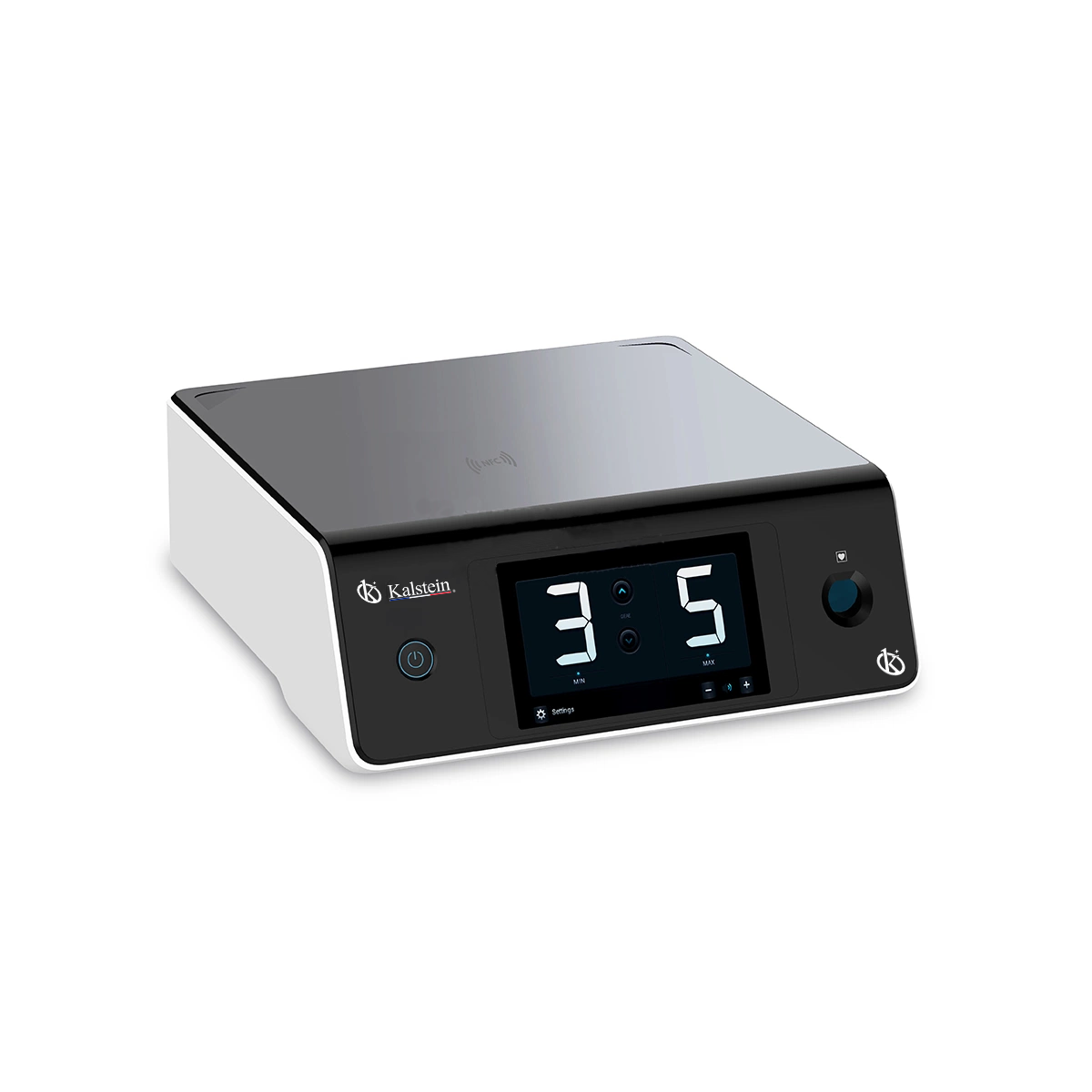
Academic Research Applications of Veterinary Electrosurgical Units
Veterinary Electrosurgical Units (VEUs) play a significant role in academic research and university projects. These devices not only enhance surgical precision but also provide essential data for various studies and clinical applications. In this article, we delve deep into how VEUs contribute to research in veterinary science, their advantages, and a comparison of models available for educational institutions.
Understanding Veterinary Electrosurgical Units
Veterinary Electrosurgical Units are advanced surgical devices designed to cut, coagulate, and seal tissues during veterinary surgeries. They utilize high-frequency electrical currents to achieve precise surgical outcomes. This technology has transformed how surgical procedures are conducted, offering benefits like reduced bleeding, improved healing times, and enhanced control over tissue. In academic settings, VEUs are employed in various research scenarios, from instructional use in veterinary training to experimental studies exploring surgical techniques on different animal models.
Applications of VEUs in Academic Research
Veterinary Electrosurgical Units are instrumental across various research applications in academic institutions. Here are some key areas of application:
1. Surgical Technique Development
VEUs enable researchers to develop and refine new surgical techniques, allowing for controlled experimentation and data collection. For instance, the Veterinary Ultrasonic Scalpel YR06129 is ideal for studies focused on tissue interaction, as it seals small blood vessels effectively, which is vital for assessing hemostatic techniques.
2. Training and Education
In veterinary education, VEUs serve as hands-on training tools. They provide students with the opportunity to practice surgical skills in a simulated environment. The Veterinary Blood Vessel Sealing Generator YR06130, featuring a color touchscreen and multiple working modes, enhances learning experiences through interactive training.
3. Clinical Research Trials
VEUs are crucial in clinical trials that evaluate new surgical procedures or treatments. The Vascular Blood Vessel Sealing Generator (LigaSure) YR06131 is utilized in these trials due to its reliability in sealing blood vessels, thus minimizing surgical risks and improving patient outcomes.
4. Experimental and Laboratory Studies
Researchers often use VEUs to conduct experiments that require precise tissue manipulation. The Portable Diode Laser System for Veterinary Surgery YR06133 allows for controlled experiments in both laboratory and field settings, making it suitable for various research hypotheses.
5. Data Collection and Analysis
VEUs can be equipped with data logging capabilities that record operational parameters during surgical procedures. This data is invaluable for research that analyzes the effectiveness of different surgical techniques over time.
Comparison of Available Models
| Model | Features | Best For | Price (USD) |
|---|---|---|---|
| YR06129 | Ultrasonic scalpel, seals vessels <3mm | Tissue interaction studies | 2500.00 |
| YR06130 | Touchscreen, multiple functions | Veterinary training | 2700.00 |
| YR06131 | Reliable sealing for vessels 7-15mm | Clinical trials | 3000.00 |
| YR06132 | Multiple output modes, deep coagulation | Experimental studies | 1600.00 |
| YR06133 | Portable, dual wavelength laser | Field research | 5600.00 |
| YR06134 | Advanced features, compact design | Laboratory settings | 5600.00 |
Common Mistakes and How to Avoid Them
When utilizing Veterinary Electrosurgical Units in academic research, several common mistakes can hinder research outcomes. Here are ways to avoid them:
- Neglecting Proper Training: Always ensure that users are adequately trained in operating the VEUs to avoid accidents and data errors.
- Ignoring Calibration: Regular calibration of the devices is necessary to maintain accuracy in results. Develop a calibration schedule based on usage frequency.
- Inadequate Data Logging: Utilize models equipped with data logging capabilities to capture relevant operational parameters for thorough analysis.
- Using Inappropriate Models for Studies: Select the right model based on the specific research application. For instance, the Veterinary Ultrasonic Scalpel YR06129 is preferable for studies on tissue interaction.
Frequently Asked Questions
What are the applications of Veterinary Electrosurgical Units in university research projects?
Veterinary Electrosurgical Units are used extensively in university research projects for developing surgical techniques, training students, conducting clinical trials, and performing laboratory experiments. For example, the Veterinary Blood Vessel Sealing Generator YR06130 is especially useful for hands-on training due to its multifunctionality.
How does the Veterinary Ultrasonic Scalpel YR06129 enhance surgical precision?
The Veterinary Ultrasonic Scalpel YR06129 enhances surgical precision by sealing small blood vessels securely during operations, with capabilities for vessels up to 5mm. This is crucial in academic research where maintaining tissue integrity is essential for accurate data collection.
Which model is best suited for conducting clinical trials involving surgical procedures?
The Vascular Blood Vessel Sealing Generator (LigaSure) YR06131 is best suited for clinical trials involving surgical procedures as it effectively seals blood vessels of 7-15mm while minimizing bleeding, ensuring better outcomes during research assessments.
What key features should I look for in a Veterinary Electrosurgical Unit for academic research?
Key features to consider include usability, precision, data logging capabilities, and versatility of applications. Models like the Veterinary Blood Vessel Sealing Generator YR06130 offer touchscreen controls and multiple working modes, making them ideal for educational purposes.
How important is training for the effective use of Veterinary Electrosurgical Units?
Training is crucial for the effective use of Veterinary Electrosurgical Units. Proper training ensures users can operate the equipment safely and accurately, which is vital for maintaining data integrity in research environments.
What are the benefits of using portable Veterinary Electrosurgical Units in field research?
Portable Veterinary Electrosurgical Units, like the Portable Diode Laser System YR06133, provide flexibility for field research, enabling data collection and surgical procedures in various environments outside the traditional laboratory setting.
How can I ensure the reliability of data collected using VEUs in research?
To ensure the reliability of data collected with VEUs, implement regular maintenance and calibration schedules. Using models with data logging features, such as the Veterinary Electrosurgical Unit YR06132, can help track operational parameters accurately.
What are the expected costs of different models of Veterinary Electrosurgical Units?
The costs of Veterinary Electrosurgical Units vary depending on their features and functionalities. For instance, the Veterinary Ultrasonic Scalpel YR06129 is priced at $2500, while the advanced Portable Diode Laser System YR06133 is available for $5600.
If you are looking for a fusion of innovation and quality, you have come to the right place. At Kalstein, we offer you the luxury of exploring our exclusive catalog of laboratory equipment. We manufacture every device to the highest standards of excellence. Our intuitive and seamless online purchasing channels are designed for your convenience, securing the most competitive prices. Hesitate no longer — we bring science to life, it is time to become part of our community.