Clinical chemistry analyzers: care and recommendations
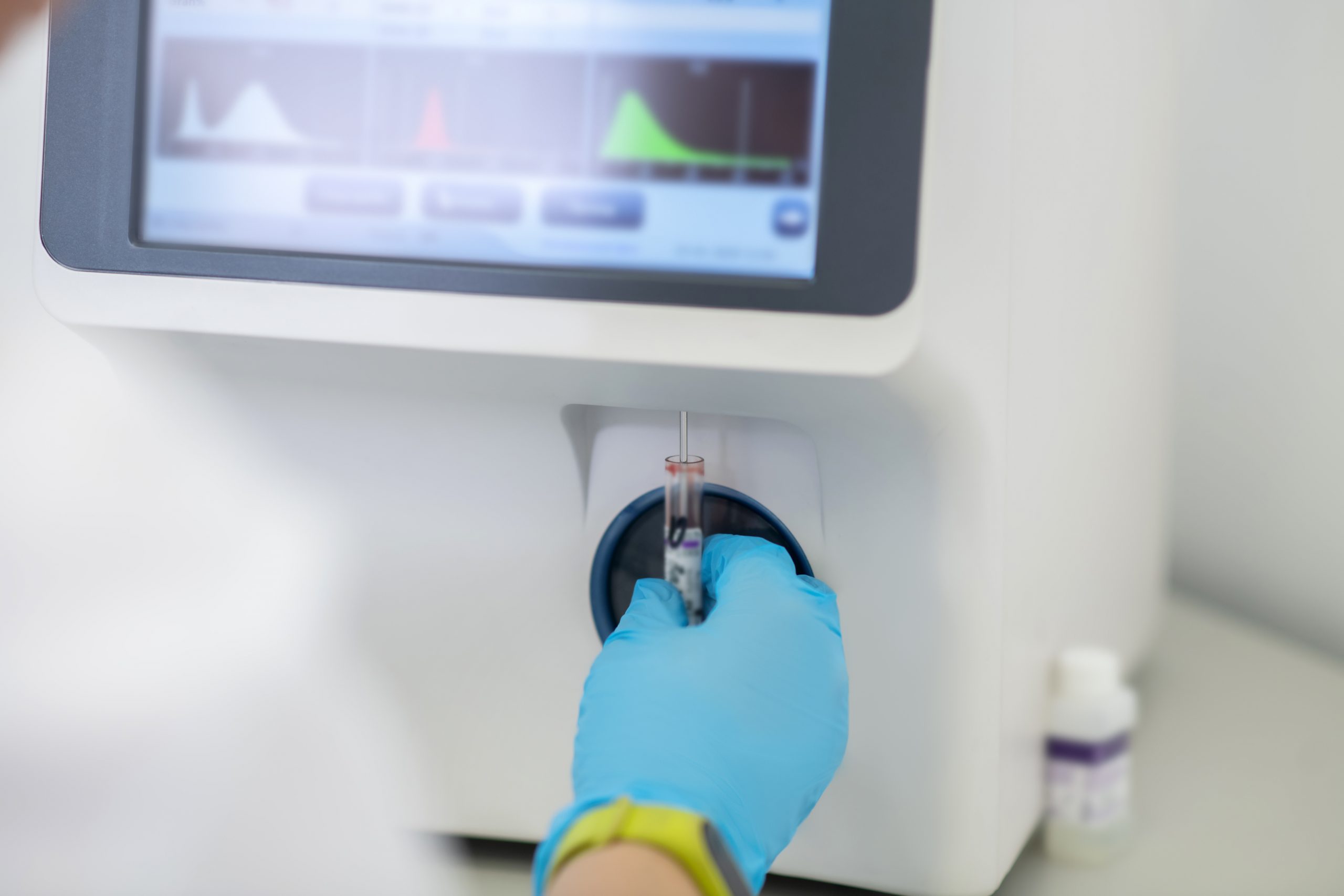
Clinical chemistry analyzers are laboratory equipment that tests clinical samples such as blood serum, plasma, urine, and cerebrospinal fluid to detect analytes
Clinical chemistry analyzers are laboratory equipment that tests clinical samples such as blood serum, plasma, urine, and cerebrospinal fluid to detect analytes related to body metabolism, disease, or drugs. They are used in small clinics, research laboratories, and large clinical laboratories.
These kits allow the detection of analytes that commonly include enzymes, metabolic products, electrolytes, specific proteins, drugs of abuse and therapeutic drugs. The results provide information on kidney, heart, liver function and toxicological status.
Among the recommendations that are provided for the use of chemistry analyzers is that they have an adequate supply of water of the highest quality, use exclusively the reagents supplied or suggested by the commercial company, and that the laboratory staff be highly trained in Using equipment, these chemistry analyzers offer process speed, consistency of results, prevent cross contamination, protect operators from biohazard materials, and the ability to walk. Onboard refrigerated reagent storage, connection to a water supply and automated recalibration allow long periods of operation without intervention.