
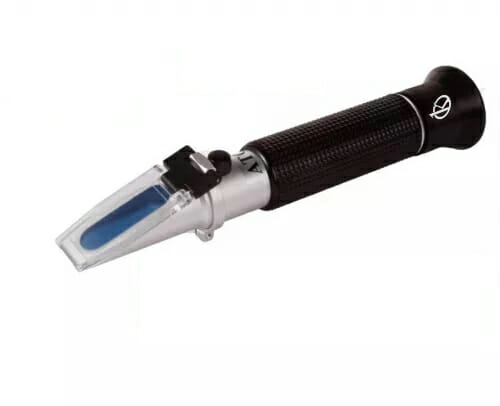
Salinity Refractometer, Kalstein Brand
Kalstein has long been recognized for its innovative approach to laboratory equipment, and their salinity refractometer is no exception. This brand has consistently provided reliable and precise refractometers that cater to varying needs, especially when it comes to salinity measurements. As experts in the field, Kalstein has designed a product that balances accuracy, ease of use, and durability, tailored to both experienced professionals and novices in laboratory settings.
Many of us who have interacted with Kalstein’s salinity refractometers have found their construction to be of high standard, coupled with a functionality that allows for a seamless integration into any laboratory workflow. The brand is committed to maintaining a reputation for quality, ensuring that each refractometer is built to withstand regular use while delivering consistent results.
Characteristics of the Salinity Refractometer
One of the standout features of the salinity refractometer is its ergonomic design. This makes it comfortable to handle, even during extended use. The device is designed to cater to a diverse range of salinity measurement needs, from food industry applications to environmental studies, demonstrating its versatility.
Additionally, the refractometer is equipped with an easy-to-read scale, making it convenient for users to obtain accurate measurements quickly. The precision of this device ensures that even the smallest concentration of salt can be reliably identified, which is crucial for professionals who require accurate data for analysis and reporting purposes.
Different Types or Models of the Salinity Refractometer
The salinity refractometers offered by Kalstein come in various models to meet specific user requirements. Some models are tailored for the food industry where salinity levels in brines and dairy products need precise tracking. Others are designed for marine applications, measuring salinity in aquariums or natural water bodies.
Each model, while sharing the core functionalities, comes with unique features that address specific challenges. Whether you’re measuring low or high levels of salinity, Kalstein provides a refractometer that fits each purpose effectively.
Why Does the Salinity Refractometer Have This Price?
The pricing of Kalstein’s salinity refractometers is reflective of their quality and precision engineering. The investment in materials that ensure longevity, coupled with the advanced technology integrated into each device, justifies the cost. This is not merely a tool; it is a long-term partner for accurate salinity measurements.
Moreover, the after-sale support and warranty that accompanies each purchase further enhance the value, offering peace of mind to the user that they are acquiring a product backed by a reputable company renowned for its customer service commitment.
Comparing the Salinity Refractometer with Similar Products
When comparing Kalstein’s salinity refractometer with those offered by companies like Atago and VEE GEE Scientific, certain distinctions become evident. Kalstein’s model often stands out for its ergonomic design and ease of use, which can be a significant advantage for prolonged use in laboratory settings.
While Atago is known for its precision, the Kalstein refractometer offers a comparable level of accuracy with added practical features such as a broader range of salinity measurement. On the other hand, VEE GEE Scientific provides competitively priced products but may not match the durability and comprehensive calibration support found with Kalstein’s models.
Pros and Cons of the Salinity Refractometer
| Pros | Cons |
|---|---|
| High accuracy and reliability | Initial cost may be higher for some budgets |
| Ergonomic and user-friendly design | May require training for optimal use |
| Versatility in applications | Advanced models may be complex for casual users |
| Good build quality for durability | Calibration maintenance needed |
| Comes with after-sale support and warranty | Replacement parts may take time to ship |
| Easy-to-read scale for quick results | Relies on manual operation, unlike digital options |
| Comprehensive range of models | |
| Strong brand reputation |
Benefits of Using These Salinity Refractometers
The primary benefit of using Kalstein’s salinity refractometer is its precision. Professionals can trust the accuracy of readings, which is crucial in fields where minute measurement discrepancies can lead to significant consequences.
Furthermore, their ability to perform in diverse environments—from a sterile lab setting to a bustling food processing facility—demonstrates their robustness and adaptability. This versatility not only simplifies processes but can significantly enhance productivity by minimizing the need for multiple tools.
Other Advantages of the Salinity Refractometer
Beyond precision and versatility, Kalstein’s refractometers are appreciated for their straightforward calibration process. This feature ensures that users can maintain the accuracy of the device without relying extensively on external services.
Another advantage is the wide range of applications these refractometers can support, including research, quality control, and educational purposes. This broad spectrum of use cases positions the device as a valuable resource across various sectors.
User References on Salinity Refractometers
Feedback from users around the globe continues to establish the Kalstein salinity refractometer as a favorite. Many have shared positive experiences, highlighting its reliability and user-friendliness. One user mentioned, “The seamless calibration process and consistent accuracy have made our workflows significantly more efficient.”
Another testimonial emphasized the product’s durability: “After years of daily use, my Kalstein refractometer remains as accurate as when first purchased, maintaining its value over time, which is an essential consideration in our lab investments.”
Frequently Asked Questions
How do I ensure accurate readings with my salinity refractometer?
Calibration is key to maintaining accuracy. Regularly calibrate your refractometer using standard solutions recommended by the manufacturer to ensure precise readings.
What industries can benefit most from using a salinity refractometer?
Industries such as food processing, marine biology, aquaculture, and environmental research frequently utilize salinity refractometers to ensure quality and compliance with standards.
Can the refractometer measure low salinity levels?
Yes, Kalstein’s refractometers are designed to measure a wide range of salinity levels, including very low concentrations, making them versatile for various applications.
Is it difficult to maintain the salinity refractometer?
Maintenance is relatively simple, involving regular calibration and occasional cleaning. Following the care guidelines ensures long-lasting performance.
Does the device come with a warranty?
Yes, purchase of a Kalstein salinity refractometer includes a warranty that covers any manufacturing defects or performance issues, providing peace of mind.
Are there digital options available?
While Kalstein primarily offers optical refractometers, there are digital models available in the market if you prefer an automatic solution.
Final Recommendations on These Salinity Refractometers
If you’re in the market for a reliable and accurate salinity refractometer, Kalstein’s offerings should be at the top of your list. Their products not only meet industry standards but exceed them, providing tools that are both efficient and robust. Investing in a Kalstein refractometer is investing in high performance and precision, backed by years of expertise in laboratory equipment. To explore their full line-up, visit their page here.